
Brand strategy defines who your business serves, why customers should choose it and how that promise carries through the customer experience. It helps connect your positioning, messaging, visual identity and business decisions so your marketing has a clear direction.

What does a brand strategy include?
A useful brand strategy connects your audience, positioning, offer, messaging, visual identity and customer experience. Your logo helps people recognize the business; your positioning explains why it is relevant to them.
Why does brand strategy matter for growth?
It gives the business a consistent basis for decisions. The website, sales conversation, appointment experience and follow-up should reinforce the same promise. Clear positioning can help the right customers understand the offer, while a consistent experience gives them reasons to trust it. Branding alone cannot guarantee sales or fix an offer that does not meet customer needs.
What does that look like in an aesthetic-focused business?
A med spa needs to explain its services and establish trust before someone books. A salon needs its service descriptions, stylist information and appointment experience to feel connected. A boutique studio needs newcomers to understand the format and first visit. An interior designer needs a portfolio, process and inquiry path that help prospective clients decide whether the practice fits their project.
These are different customer journeys. A shared preference for polished presentation does not mean they need the same message or marketing plan.
How do you build a practical brand strategy?
Define the audience and the problem they need help with.
Review the offer, competitors and reasons customers choose you.
Clarify what makes the business different and support it with evidence.
Translate that position into service descriptions, website structure and communication.
Check whether the customer experience delivers the promise.
Review qualified inquiries, bookings, repeat business and customer feedback against your goals.
For a broader explanation of positioning and brand planning, see Canva’s brand strategy guide. To discuss the decisions behind your own brand, explore LaBelle Branding’s strategy consulting and selected client work.
Where visual identity and color fit
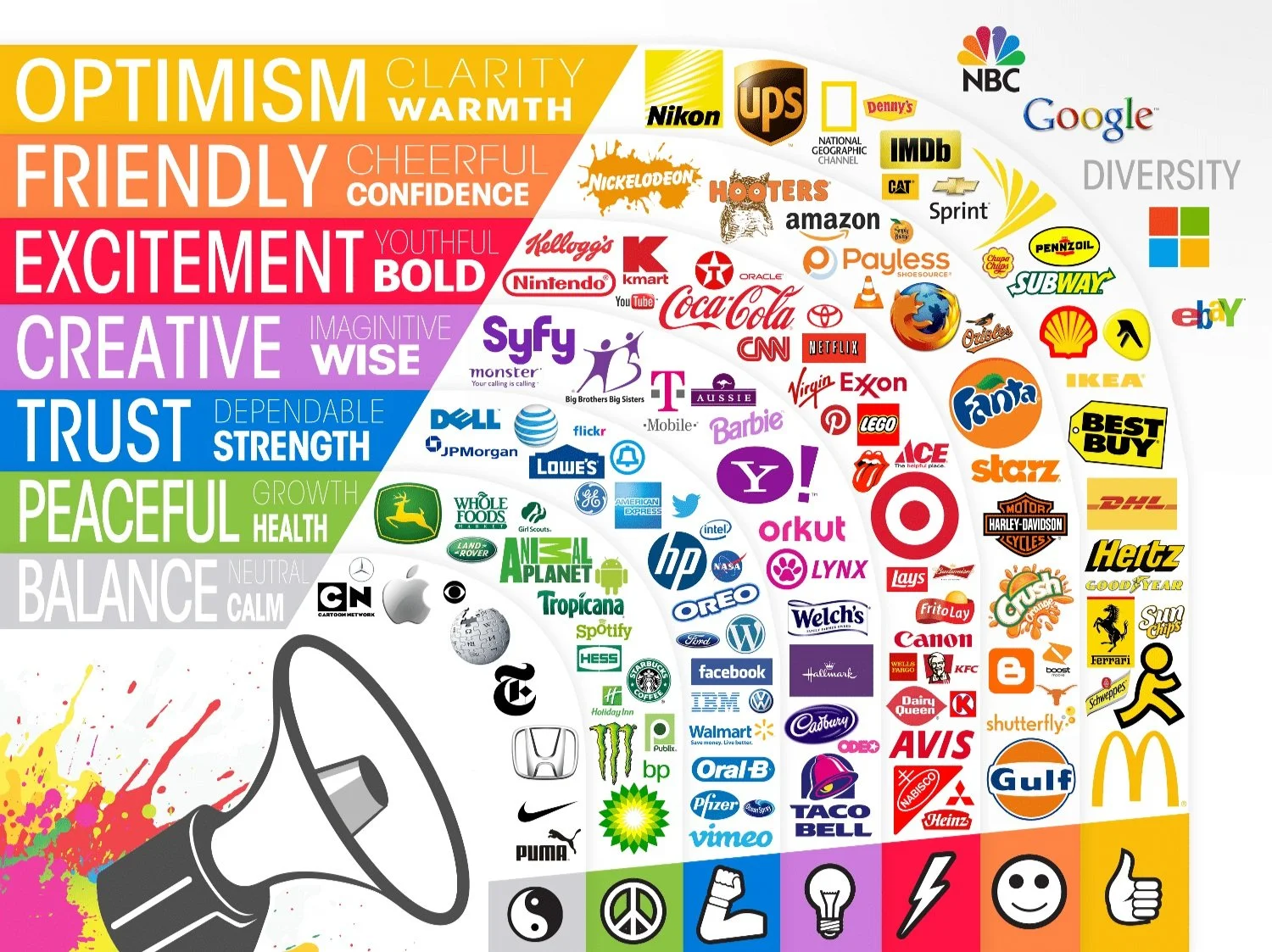
Color, typography, photography and layout help communicate a brand’s character. They should follow the positioning and remain readable and usable across the website, printed materials and in-person experience.
The accompanying color chart is an illustration of common branding associations, not a formula for predicting customer behavior. A color does not guarantee trust, appetite or a sale. Meaning depends on the audience, context, culture and the rest of the experience. Test choices against your actual customers and accessibility needs.
How do you know whether the brand is working?
Review whether the right people understand what you offer, whether inquiries fit your services and whether the experience matches the promise. A recognizable identity is useful, but likes and visual consistency alone do not establish business growth.
For a salon or med spa, review inquiry quality, booking and returning visits. For an interior design practice, review project fit and progression from inquiry to consultation. For a material brand, look at useful product engagement, sample requests and the later sales conversation. Choose measures that fit the business rather than using one scorecard for every industry.
If the business looks polished but the message or customer journey feels unclear, start with a focused brand and marketing consultation. You can also read how to measure marketing performance before choosing what to change.